
A Cultural Convergence of Recognition: From the Ibn Sina Award to the Global Inscription of Kamal ul-Din Behzad’s School
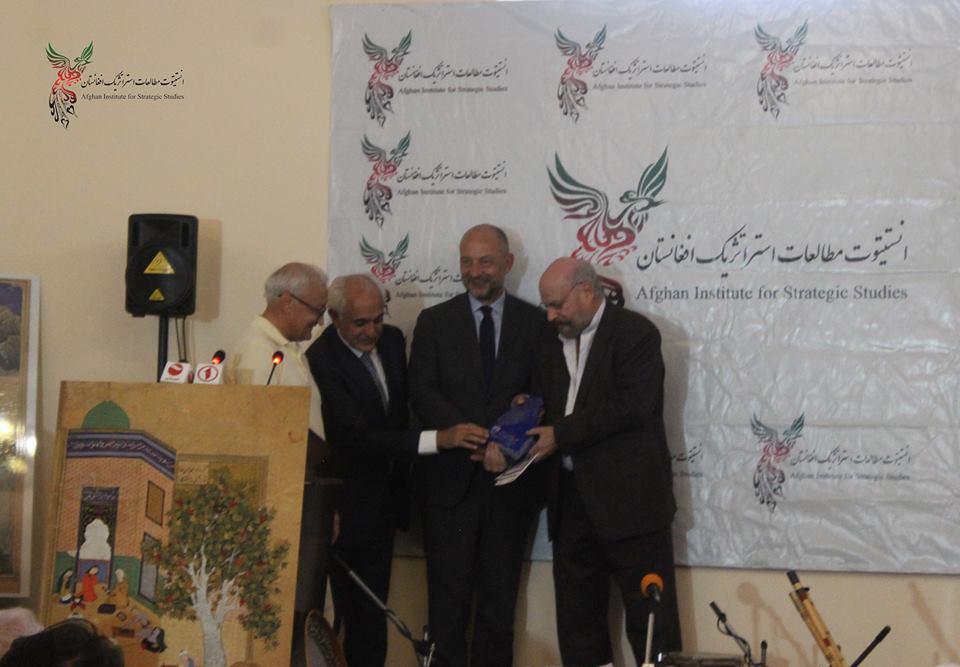
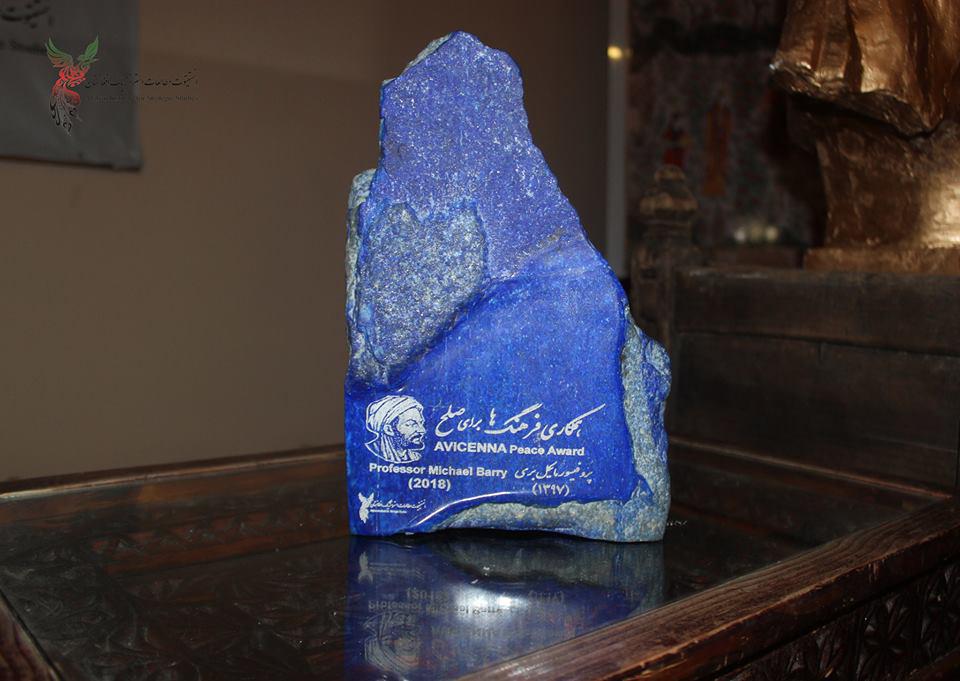
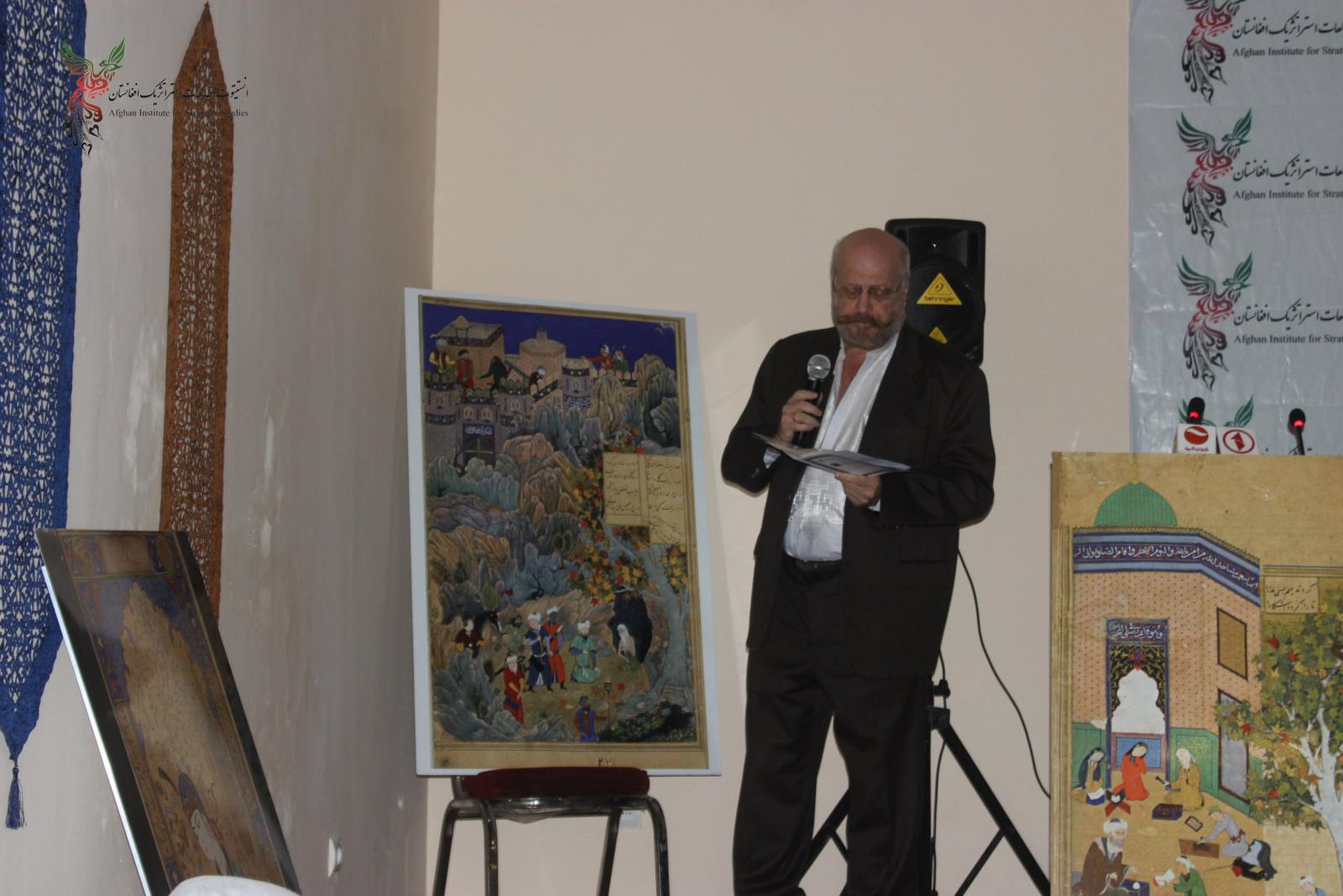
Following UNESCO’s recent inscription of the School of Miniature Painting of Kamal al din Behzad on the Representative List of the Intangible Cultural Heritage of Humanity, the Afghan Institute for Strategic Studies is republishing the report of the inaugural Ibn Sina Award for Cultural Cooperation for Peace. The ceremony was held on 24 September 2018 in the free Kabul, where Professor Michael Barry, distinguished scholar of Islamic and Eastern art, was announced as the first recipient of the award.
Professor Barry was selected for his comprehensive and long-standing research dedicated to identifying, gathering, documenting, and reintroducing the surviving works of Kamal al din Behzad held across collections in Asia, Europe, and North America. His contributions made it possible for audiences in Kabul and Herat to once again encounter Behzad’s artistic legacy, reconnecting Afghan society with one of the foundational traditions of its visual heritage.
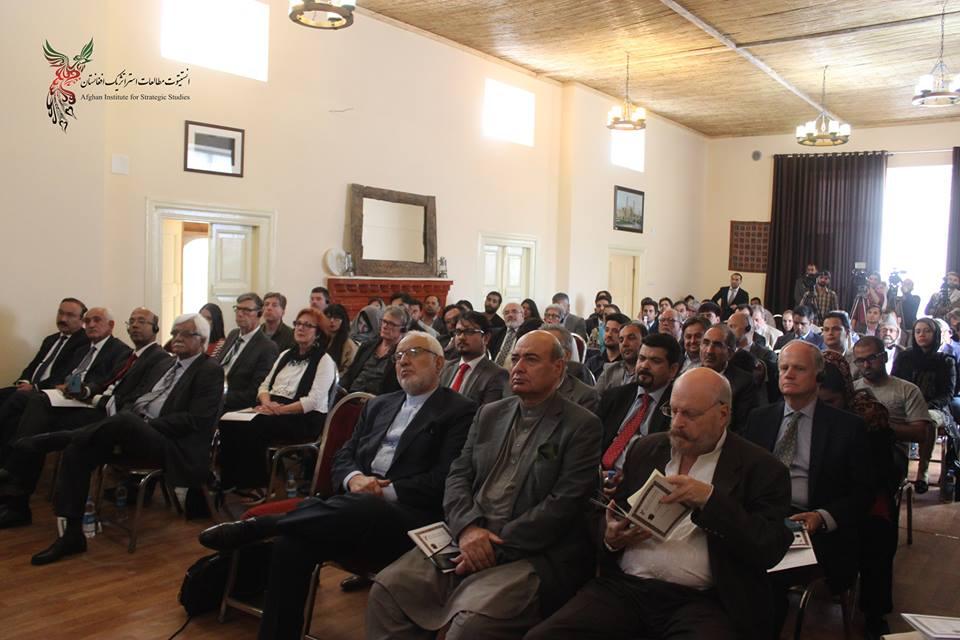
The event brought together government officials, foreign diplomats, university faculty, writers and civil society representatives. The award was established to recognize individuals and institutions that contribute meaningfully to intercultural understanding, constructive dialogue and non-violent approaches to conflict resolution.
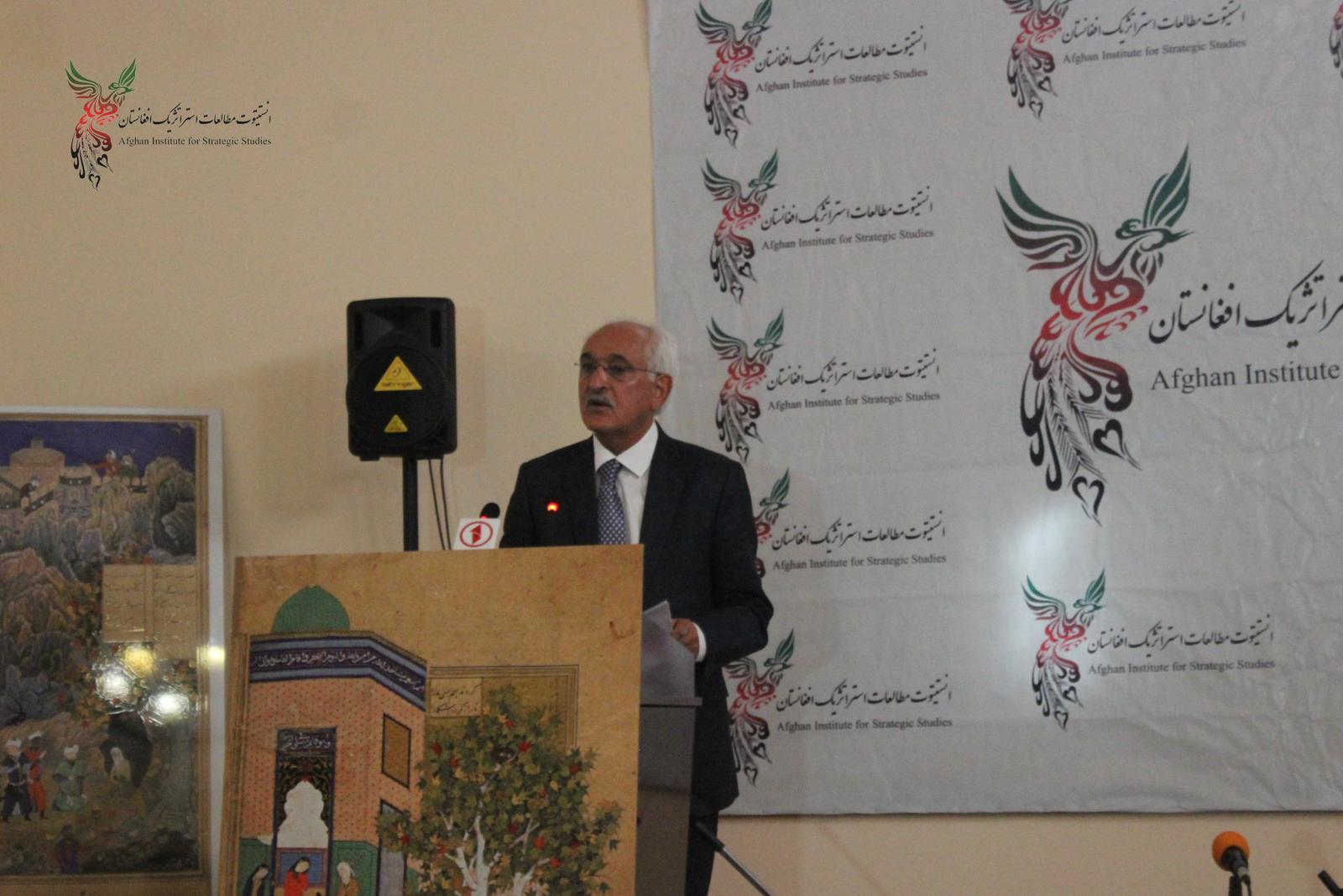
In his opening remarks, Dr Davood Moradian, Director General of AISS, stressed that initiatives of this nature create essential spaces for cultural understanding and form a key part of the Institute’s mission to safeguard shared human values. Dr Rangin Dadfar Spanta, former National Security Advisor, highlighted the complex global context and noted that cultural engagement remains one of the most reliable ways to counter forces that undermine human rights and equality.
The late Rahnaward Zaryab, writer and scholar, reflected on the enduring role of Eastern civilizations in shaping world culture and the pressures confronting local artistic traditions today.
In his address, Professor Barry spoke about the significance of Persian literature, the refinement of Eastern aesthetics and the importance of Behzad’s miniature tradition in the cultural history of the region. He described the award as an honour that strengthens his commitment to further research. The Ibn Sina Award was presented to him by Dr Spanta and the Ambassador of France.
AISS republishes this report to mark UNESCO’s recognition of the School of Miniature Painting of Kamal al din Behzad and affirms that scholarly efforts such as those of Professor Barry have played a vital role in bringing this artistic heritage back into international view.